Incident management: so that nothing stays stuck in someone’s inbox
One incident comes in by phone, another by email and another by WhatsApp to a sales rep’s mobile. We build the system that gathers them in a single list, gives each one an owner and a deadline, and keeps the person affected informed.
1The life of an incident
Whether it is a breakdown, a customer complaint or a supplier quality issue, every incident goes through the same stages: someone reports it, someone logs it, its type and owner are decided, it is resolved, the person affected is told and it is closed. When it goes wrong, it is rarely the technical fix that fails, but the handovers between stages.
- Intake: it arrives through a channel and becomes a numbered record.
- Categorisation: type, severity and the customer, site or team affected.
- Assignment: a named owner and a deadline based on severity.
- Follow-up: each step is logged and the person affected gets updates.
- Closure: with the fix applied and, where relevant, the affected party’s confirmation.
2One inbox for every channel
The channels can stay, because they are what people already use; what changes is that they all lead to the same place. An email to a specific address opens a record. So does a form on the website or in the customer portal. And on WhatsApp, an assistant can ask for missing details, such as an order number or a photo, before creating the incident.
That assistant does not resolve or promise anything: it collects, reports the status and hands to a person anything that is not routine. Its answers come from what your team has written on the record.
3Deadlines you see before they are missed
Each type of incident can have a first-response deadline and a resolution deadline, set by your company or by the contract with the customer. The system shows which records are about to fall due and alerts the owner and whoever else you choose. An incident with no owner cannot sit still: it stays at the top of the list until someone takes it.
4Learning from the ones that repeat
The long-term value is in the data. With a few months of well-categorised incidents you can see which product, supplier, installation or customer concentrates the problems, how long each type takes on average and which causes keep coming back. We propose a simple monthly report, not a dashboard with a hundred indicators.
If your sector is property management, we have a dedicated page on residents’ incidents and supplier invoices. This page covers the process in general, for any business.
5Pieces already working in other projects
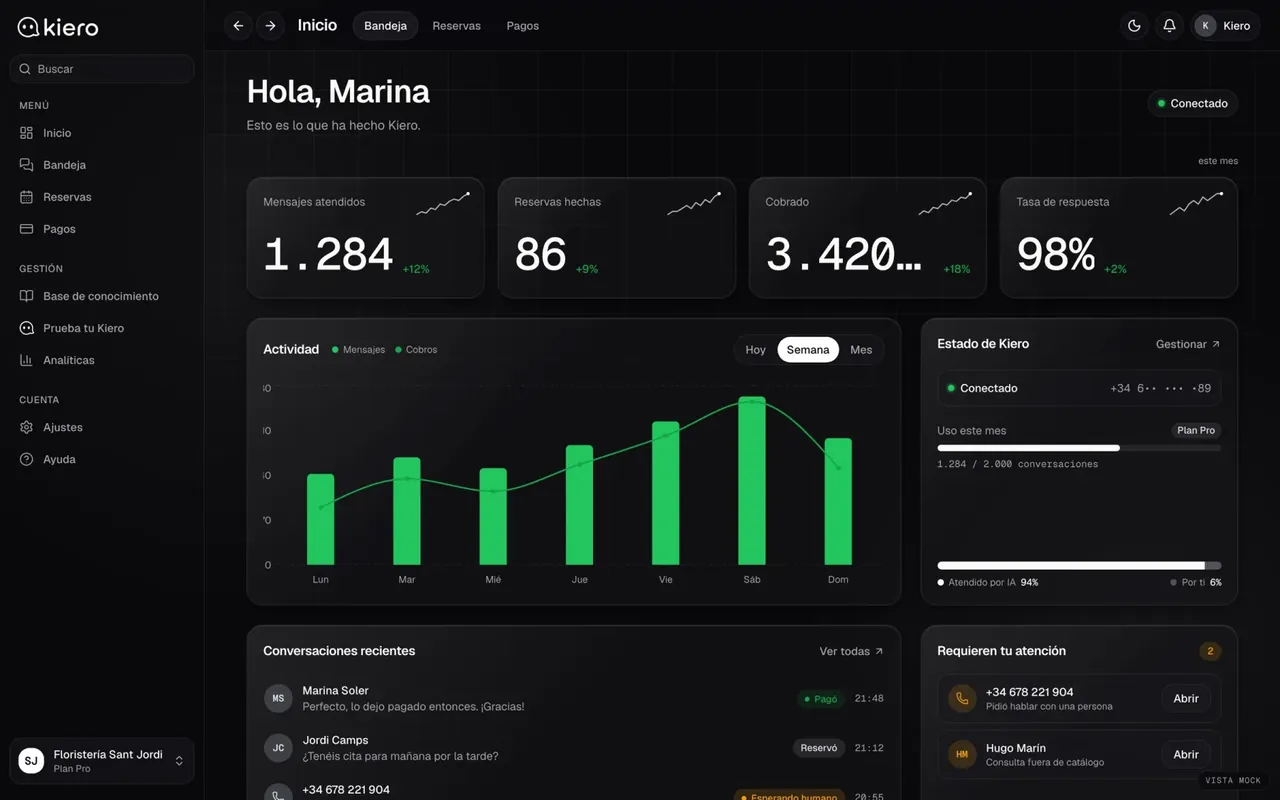
Kiero
An AI employee on the business’s WhatsApp
We do not yet have a published case of incident management. The WhatsApp intake channel is already built: Kiero, live at kiero.es, answers a business’s WhatsApp with its own information and hands to a person whatever needs one.
Live at kiero.es
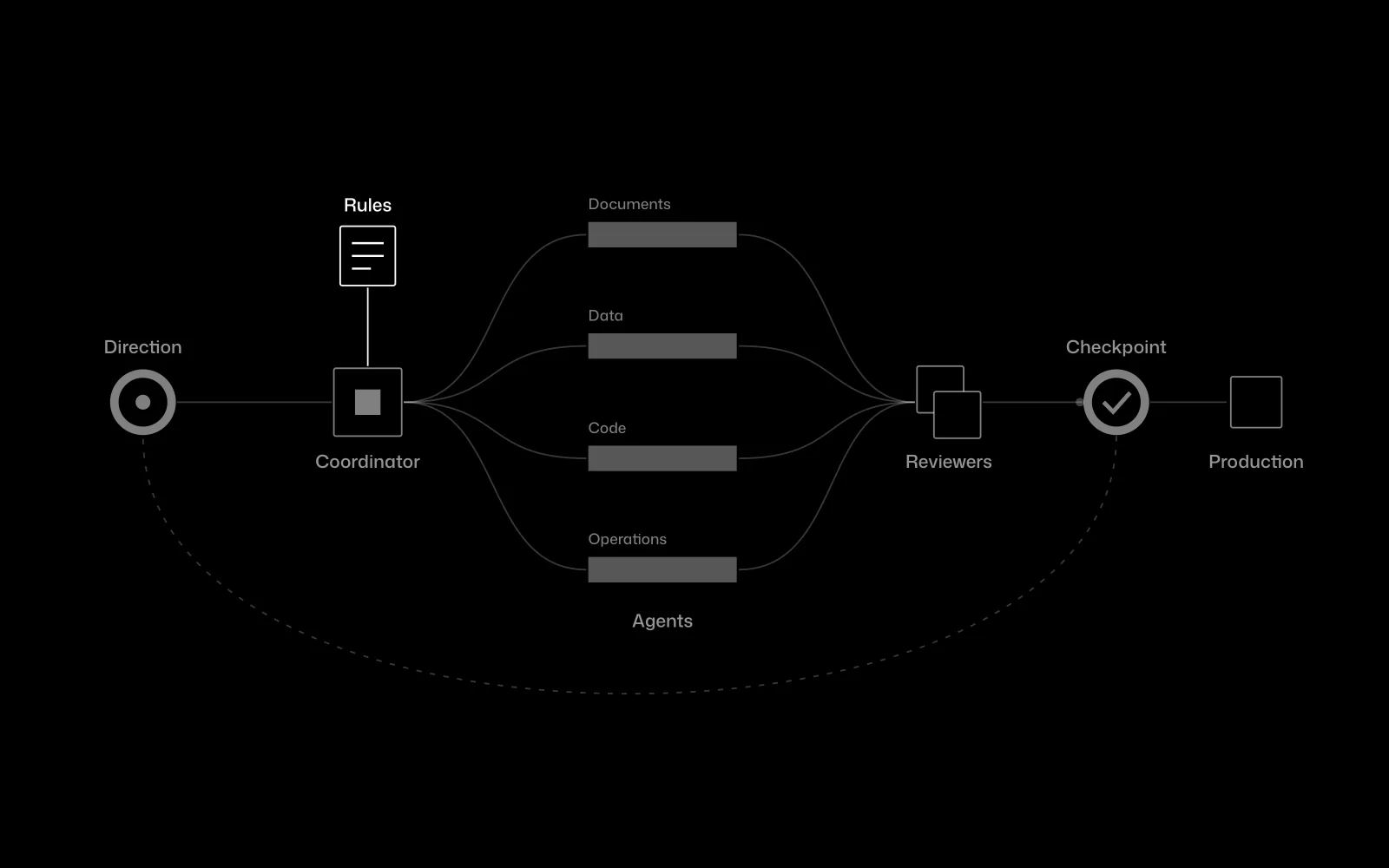
Certia Group
A team of AI agents inside an engineering firm
At Certia Group, an engineering firm, we integrated a system now in use where work moves from one stage to the next with every step logged and a person approving what matters. It is the same handover logic an incident needs.
In use
6Frequently asked questions
How is this different from an off-the-shelf ticketing subscription?
A standard ticketing tool may be enough for you, and if so we will say so. Building one makes sense when incidents have to be linked to your orders, installations or contracts, or when your company’s workflow does not fit the tool’s.
Can the person affected check the status themselves?
Yes, through the channel they used to raise it or in a customer portal. They get an incident number and updates on important changes.
Does it work for internal incidents, such as faults in the office or warehouse?
Yes. The process is the same; what changes is who raises it and what categories there are.
What about official consumer complaint forms?
In Spain that procedure has its own rules depending on the region. The system can record that a form was received and how it was followed up, but how it must be handled is something to confirm with your adviser.
Gather last month’s incidents
With what came in over one month, across every channel, we can tell you where incidents get lost today and what a single inbox would look like for your team.
Tell us your problem