Process and document automation with AI
Invoices, delivery notes, orders, tender documents: much office work consists of reading documents and moving their data somewhere else. That is exactly the kind of work a system can do, while keeping a record of every step.
1The problem, seen from inside
In many companies documents arrive by email, as PDFs, each supplier with its own layout. Someone opens them one by one, copies the number, the date, the lines and the amounts, and compares them with what was ordered. When something does not match, it is found late or not at all.
The cost is not only the hours. It is the copying errors, the missed due dates, and the fact that useful information, such as how much you buy from each supplier or which prices have gone up, is never properly organised.
2How we solve it
We build systems that read documents, extract their data and check it before accepting it. A typical process has these steps:
- Collection: documents come in on their own from email or a folder, without anyone moving them.
- Reading: the system identifies the type of document and extracts header, lines, taxes and totals.
- Checking: every figure is reconciled with the document itself and with what was expected, such as the order or the delivery note.
- Review: anything that does not match is flagged and sent to a person, with the original document alongside.
- Output: the reviewed data goes where it belongs, whether your management software, a report or an alert.
3Beyond documents
The same approach works for the rest of repetitive office work: emails that have to be sorted and answered, reports assembled by hand every week, tasks someone always launches at the same time, or data passed from one program to another.
In every case we aim for the same thing: the work runs on its own, keeps a record of every action, and a person approves the steps that matter.
4What we do not promise
No system reads every document correctly first time. That is why we design checking and human review in from the start, and measure with your real documents what is read well and what is not before calling the system finished.
5Where we have already done it
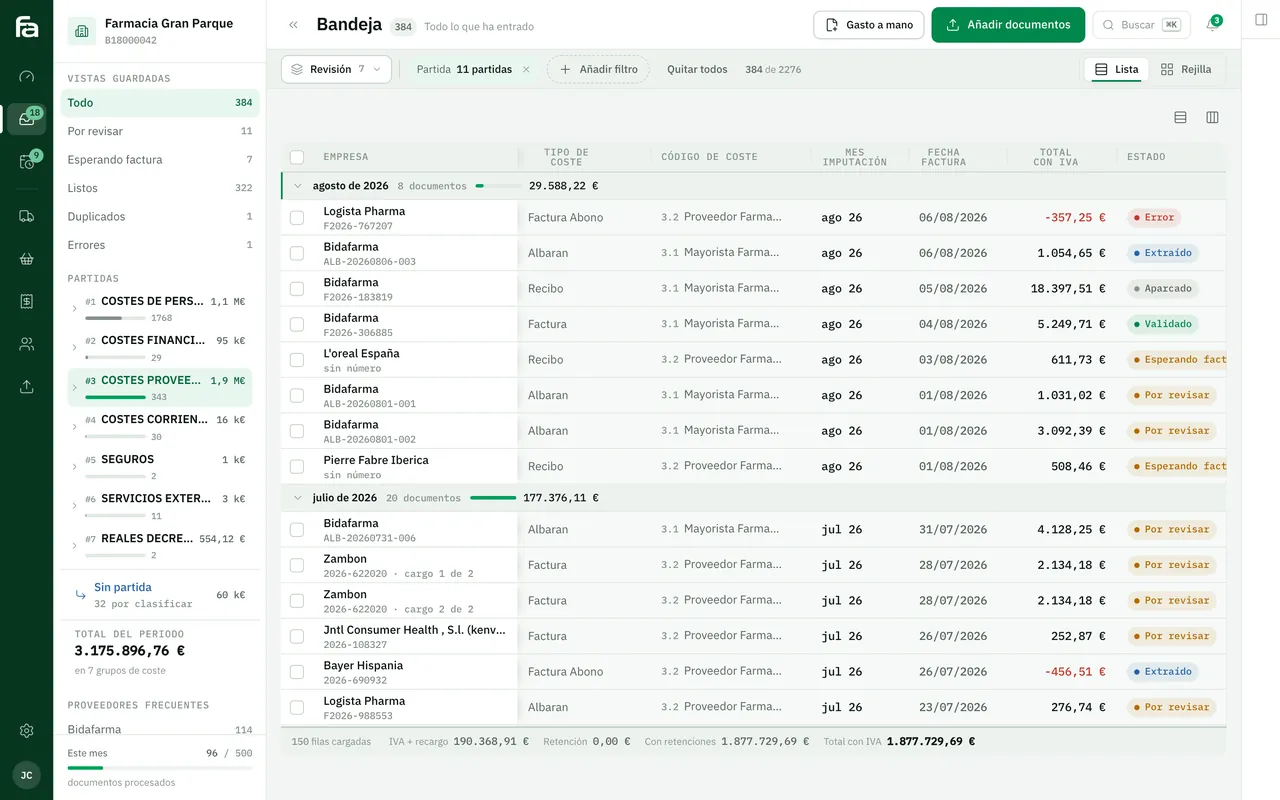
Farmacta
A pharmacy’s back office, built on its paperwork
Reads delivery notes and invoices from wholesalers and laboratories in PDF, extracts the accounting data, reconciles each line with what was ordered and flags what does not match. In use at its first pharmacy.
In use at its first pharmacy
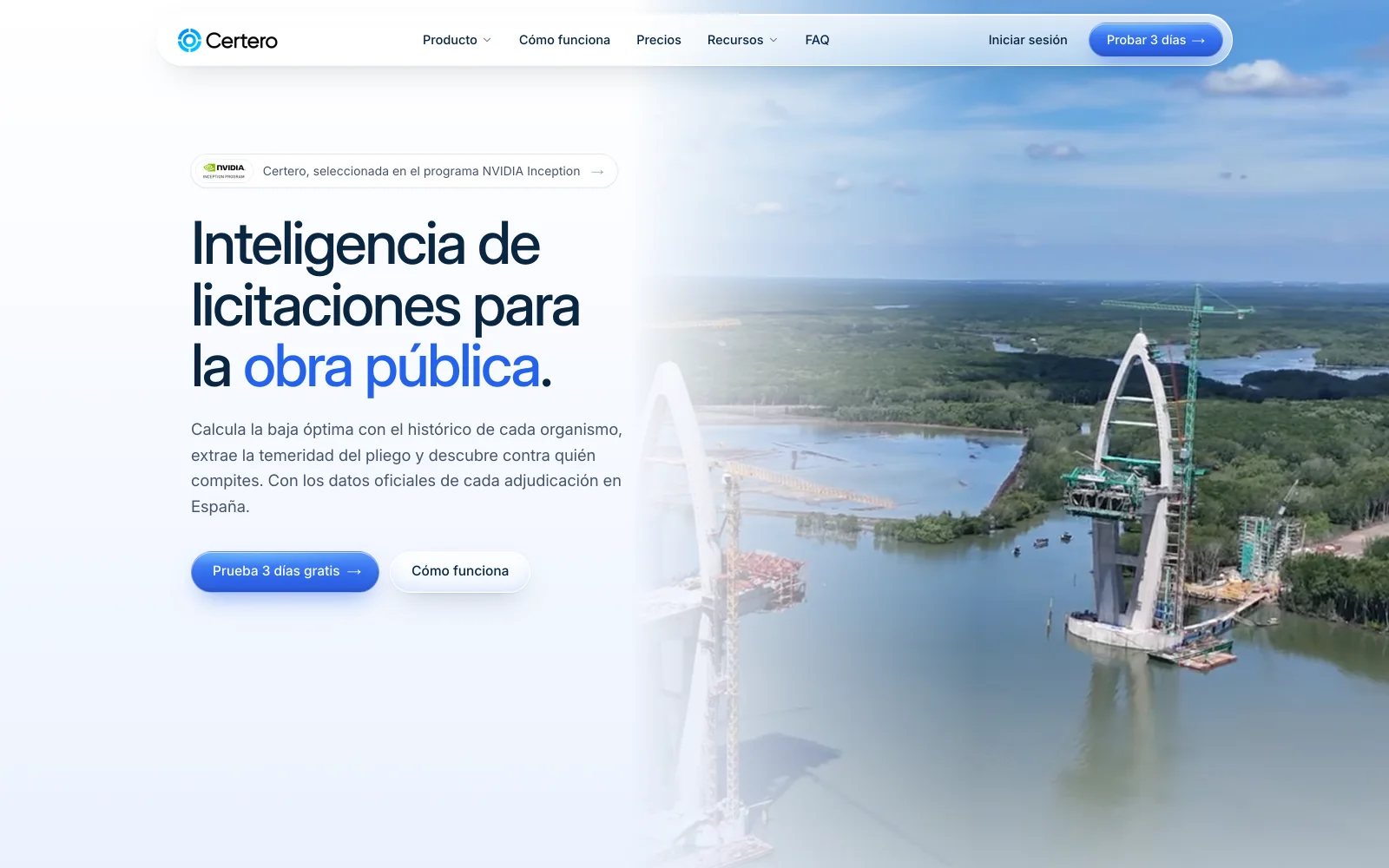
Certero
Tender intelligence for public works
Reads public tender specifications and award records and turns their content into data a construction company can use to decide its bid. In production at certero.es.
Live at certero.es. Accepted into NVIDIA Inception.
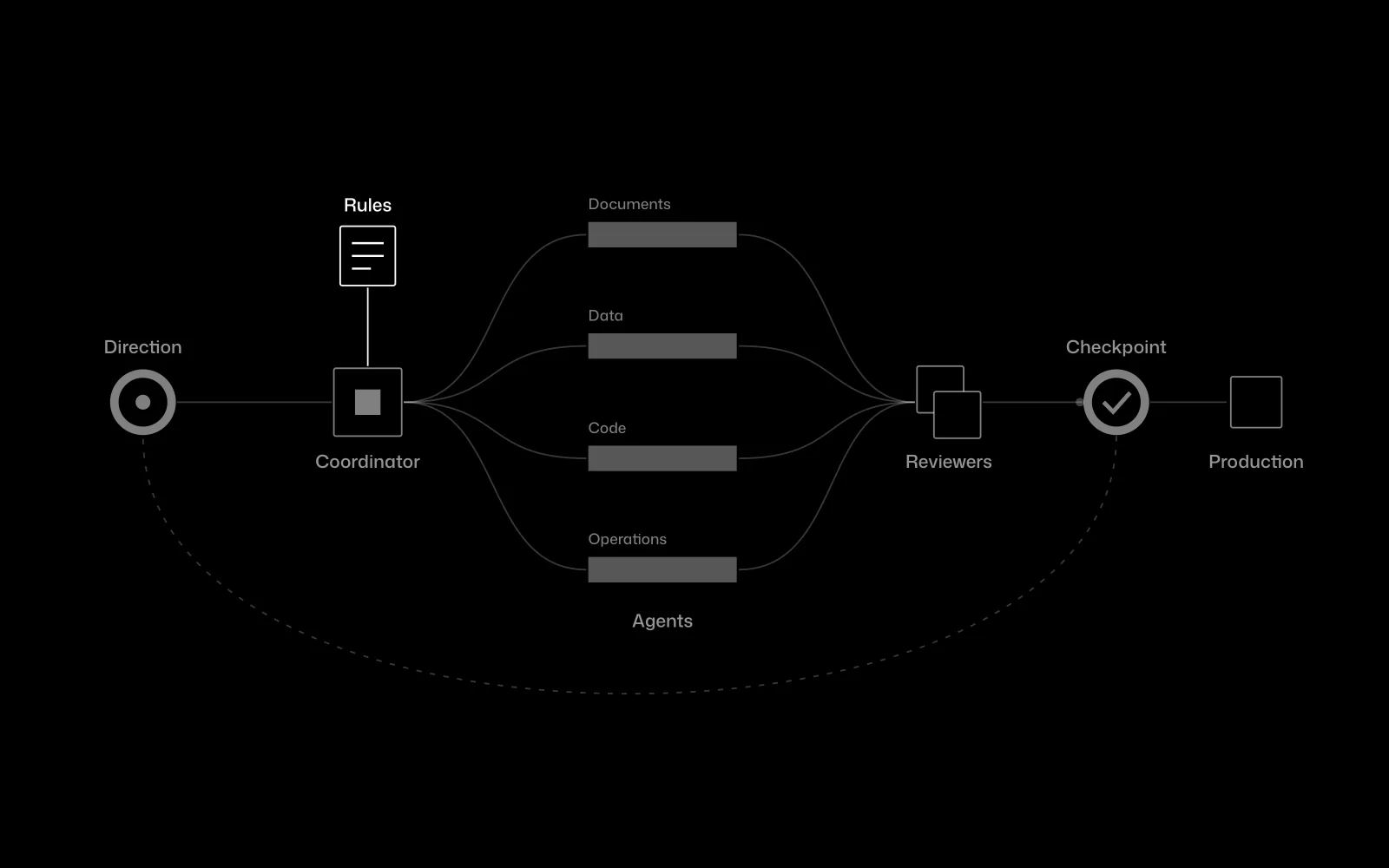
Certia Group
A team of AI agents inside an engineering firm
At Certia Group, a team of AI agents takes on work that used to pass from hand to hand, with written rules, independent review and a person who approves.
In use
6Frequently asked questions
Can it read invoices from any supplier?
The system is designed for varied layouts, not a single fixed template. Even so, before switching it on we test it with your real documents and tell you what is read well and what needs review.
What happens when it gets something wrong?
That is what the checking step is for: every figure is reconciled with the document and with what was expected. Anything that does not match is not accepted; it goes to a person with the original alongside.
Can the data go into our management software?
That is the usual goal. During the diagnosis we look at how your software accepts data and the safest way to connect it.
How much does it cost to automate a process?
We do not publish prices. It depends on the volume, the types of document and where the data has to go. After the diagnosis we give you a fixed-scope proposal.
Which paperwork takes up most of your time?
Tell us which documents arrive, how many, and where their data has to go. We will reply with a proposed next step.
Tell us your problem