GDPR checklist for an internal application: what to review before go-live
An internal application that stores data about customers, employees or suppliers processes personal data. This list helps you not to forget anything while designing it; it is no substitute for the view of your data protection officer or adviser.
1Before you start: why, and on what basis
This guide is not legal advice. Interpreting the General Data Protection Regulation (GDPR) and the Spanish legislation that complements it is a matter for your adviser or your data protection officer, if you have one. What follows are the questions we ask ourselves when building, which are worth taking to them already answered.
- Purpose: what the data is used for, in one sentence. “Managing our customers’ orders” works; “having all the information” does not.
- Lawful basis: why you are allowed to process it (a contract, a legal obligation, a legitimate interest, consent). Your adviser decides this, not the developer.
- Minimisation: which fields are genuinely needed. If nobody uses the date of birth, do not ask for it.
2Inside the application
What gets designed and built:
- Role-based permissions: each person sees only what they need for their job. The warehouse does not need customers’ bank details.
- Access and change log: who viewed or changed which record and when, especially for sensitive data such as health or payroll.
- Personal accounts, never shared, with access closed the same day someone leaves the company.
- Controlled exports: who can download full lists, and whether it is logged.
- Deletion and anonymisation that genuinely work, in backups too, once the retention period ends.
3Outside the application: providers and location
Whoever builds or hosts the application and has access to the data usually acts as a processor, and that requires a contract governing it. The same applies to every service involved: hosting, database, email, signatures, or an AI service if the application uses one to read documents.
- A list of providers that touch personal data, each with a signed processor agreement.
- Where the data is stored: country and region of the hosting and of the backups.
- If any provider can access it from outside the European Economic Area, which safeguards cover that international transfer. Your adviser will tell you whether they are sufficient.
4Retention, rights, backups and breaches
What happens to the data over time:
- Retention periods by type of data, and what is deleted or anonymised when they expire. Some periods are set by other rules (tax, employment): your adviser will tell you which.
- Data subject rights: being able to find, hand over, correct or erase one person’s data without searching by hand in five places.
- Encrypted backups, in a known location, with restore tests.
- A procedure for security breaches: who detects, who decides and how notice is given. Some breaches must be reported to the supervisory authority (in Spain, the Spanish Data Protection Agency) within a short deadline; check with your adviser.
- The record of processing activities updated to include this application, if your company is required to keep one.
5Privacy decided at the design stage
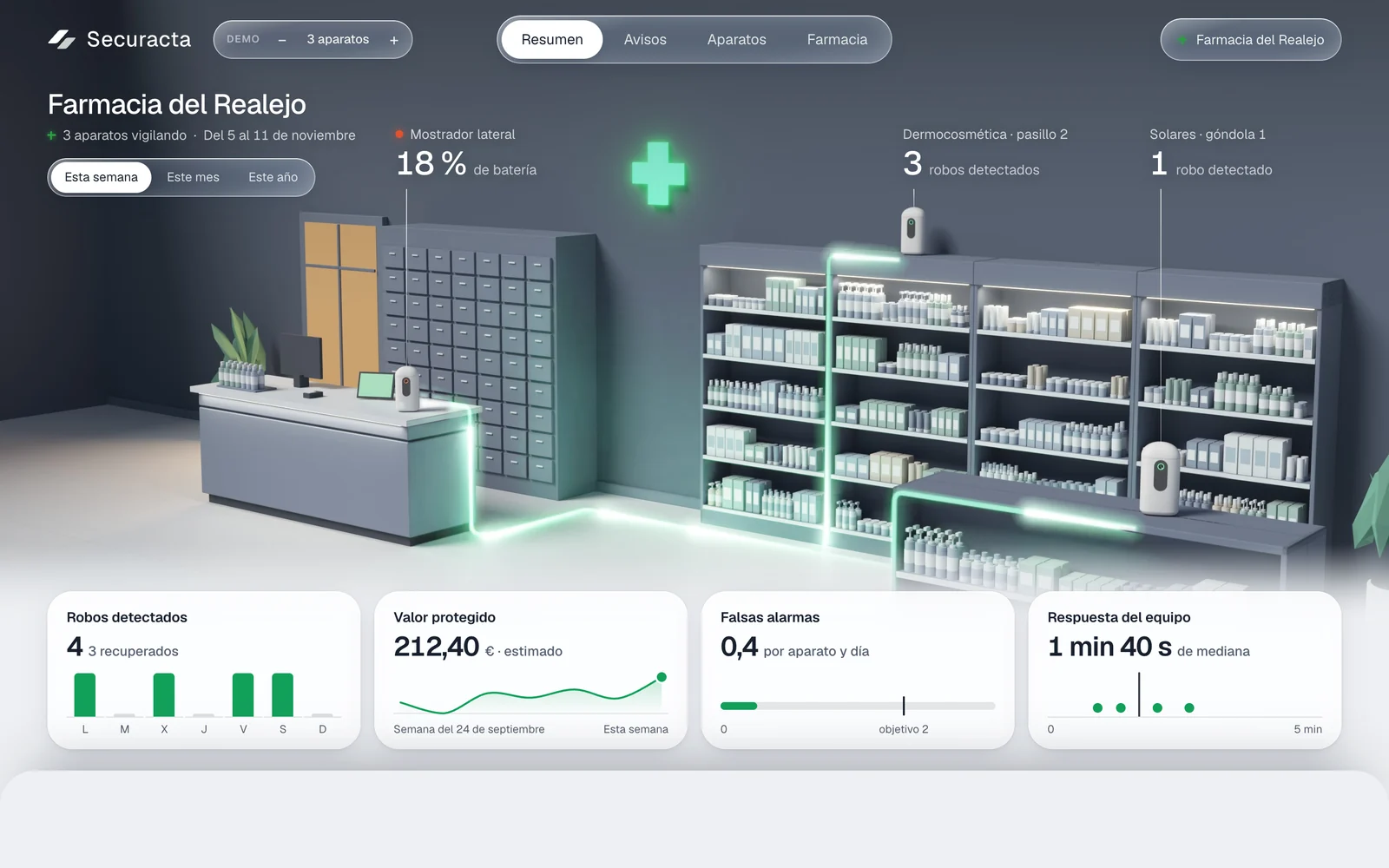
Securacta
A device that detects shoplifting in pharmacies
The device only looks at poses and gestures, never faces, and continuous video never leaves it: minimisation was decided before any code was written. It is in development; the camera recognises poses and the panel runs on sample data.
In development. The camera already recognises poses and the web panel runs on sample data; gesture detection is the next phase.
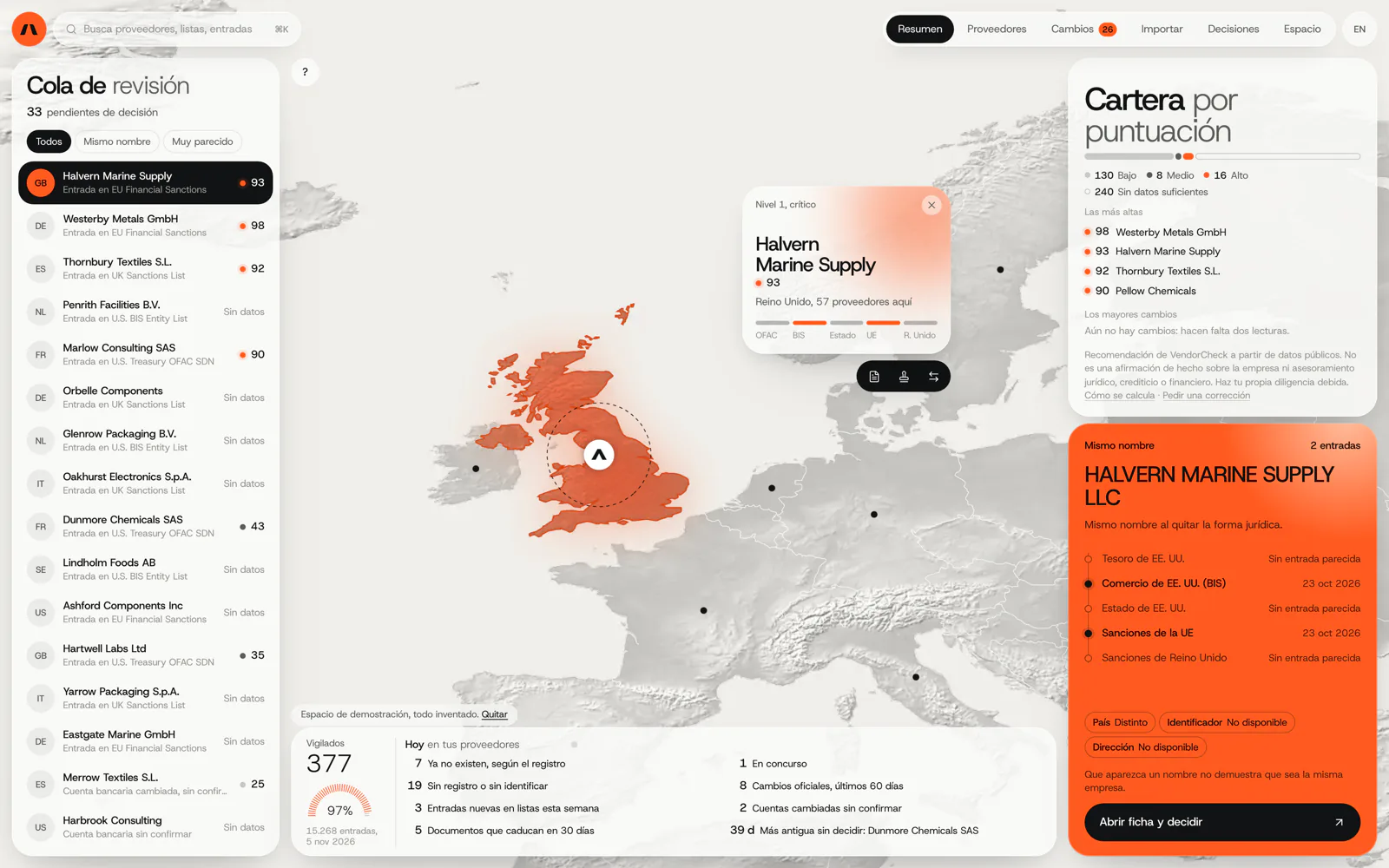
VendorCheck
Supplier screening against official sanctions lists
Every decision about a supplier is recorded with its source and date, the kind of log that later lets you explain who decided what. In development, with an invented demo workspace.
In development. Matching against the official lists works; accounts, billing and alerts are coded and not yet connected. The screens are shown with an invented demo workspace.
6Frequently asked questions
Is an application used only by staff also subject to the GDPR?
If it stores data about identifiable people, such as the employees themselves, customers or supplier contacts, in principle yes. Confirm it with your adviser for your case.
Who is the controller and who is the processor?
Generally, your company decides what the data is used for and is the controller; the provider that processes it on your behalf is the processor. Your adviser will confirm this and review the contract.
Can you host the data in the European Union?
Yes, that is what we propose by default, and we tell you which region each service is in. If any of them processes data outside it, we tell you before using it.
What if the application uses AI to read documents?
That service also processes data and goes on the provider list, with its location and its contract. And the result is always reviewed by a person before it is accepted.
Take this list to your adviser
If you are considering an internal application, we design it with these questions answered from the start and tell you in writing which services process data and where.
Tell us your problem